


1. Production Technology (Mature Process)
Core Reaction:
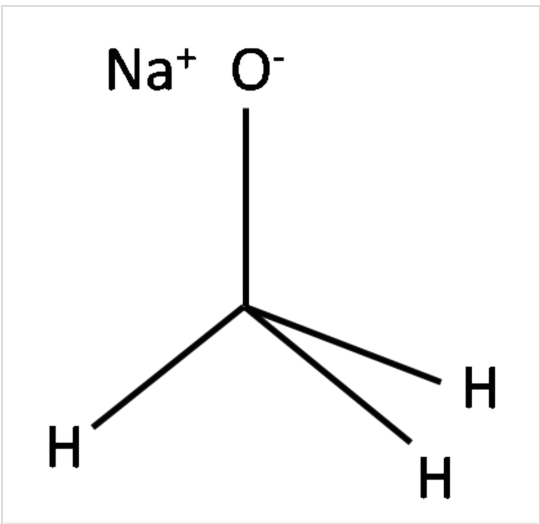
2Na + 2CH₃OH → 2CH₃ONa + H₂↑
(Highly exothermic with hydrogen generation)
Production Process:
Reaction: Metallic sodium reacts with anhydrous methanol under inert gas (N₂/Ar) protection
Concentration: Excess methanol is distilled (often under vacuum) to obtain standard solutions (25-30%)
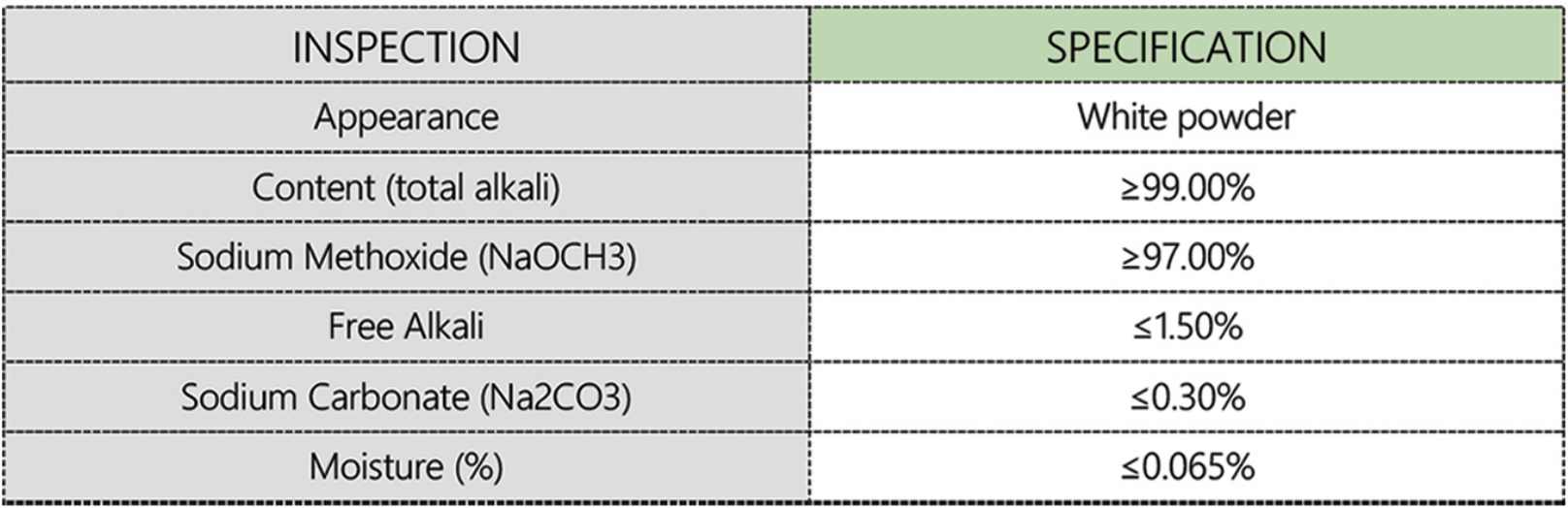
Drying: For powder form, deep vacuum drying removes residual methanol and moisture
2. Core Characteristics
A. Extreme Chemical Reactivity
Strong Basicity: pKa ~15.5 (non-nucleophilic base)
Strong Nucleophilicity: CH₃O⁻ attacks electrophilic centers
High Selectivity: Superior to NaOH in ester exchange and condensation reactions
B. Excellent Industrial Catalytic Efficiency
Primary catalyst for biodiesel production via transesterification
Higher activity and faster reaction rates compared to NaOH/KOH
C. Stringent Stability Requirements
Chemical Instability: Reacts violently with H₂O/CO₂ → requires strict moisture/air exclusion
Physical Instability: Powder hygroscopic; solutions flammable/volatile
D. High-Risk Profile
Flammable/Explosive: Low flash point solutions + hydrogen generation
Highly Corrosive: Severe burns to skin/mucous membranes
Toxic: Methanol toxicity (CNS damage, blindness potential)
E. Formulation Flexibility
Solutions (25-30% in methanol): Most common, easy handling
Powder: For anhydrous synthesis (requires specialized handling)
Main Applications
Pharmaceutical Industry: Used in the manufacture of pharmaceuticals such as Vitamin A1, Vitamin B1, Sulfamethoxypyridazine, Sulfadiazine, Trimethoprim, etc.
Biodiesel Industry: Used as a catalyst in biodiesel production.
Other Uses: Can be used as an edible catalyst and an analytical reagent.